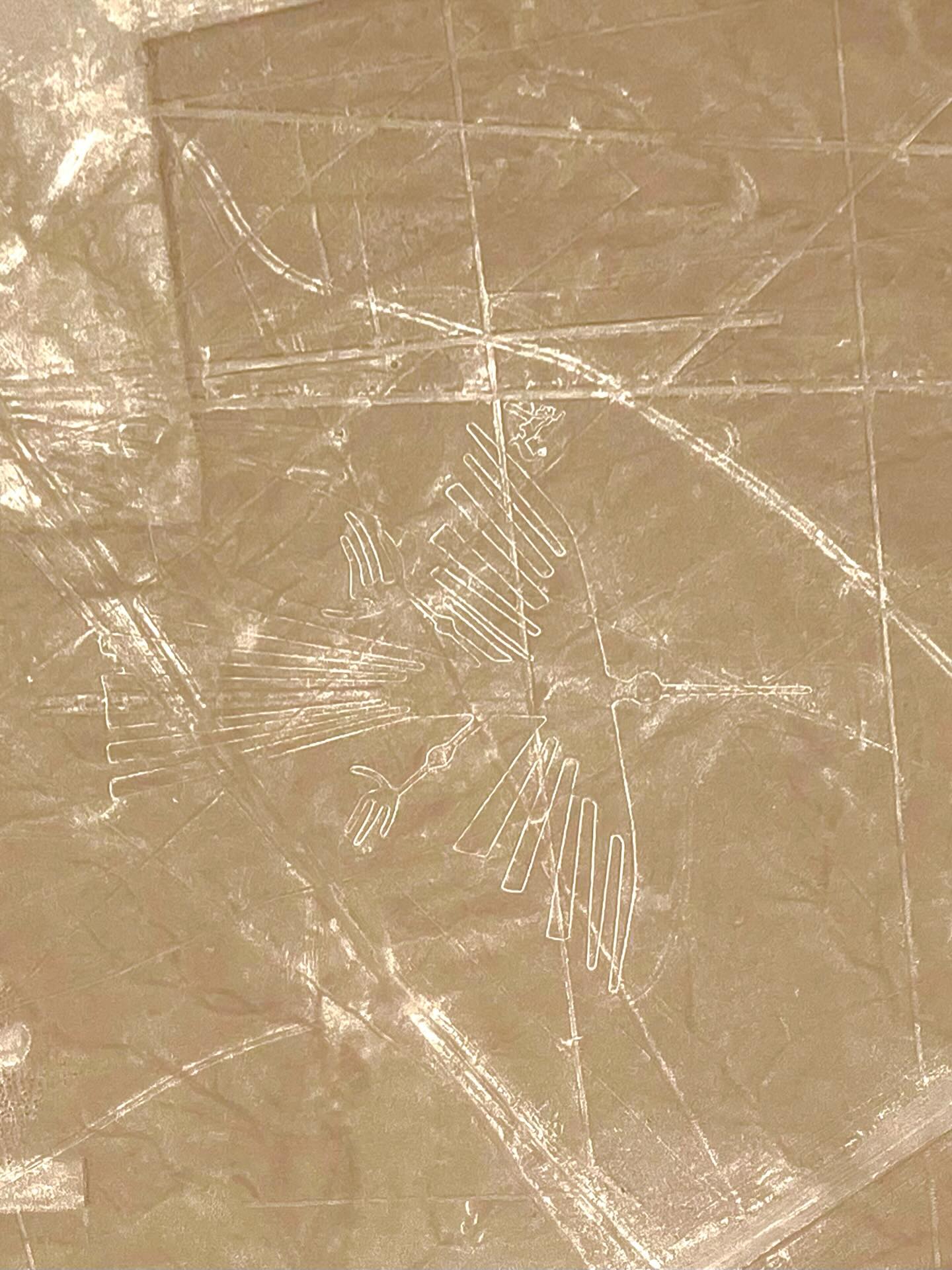
Etched into the arid soil of southern Peru, the Nazca Lines span 175 square miles with over 800 straight lines and 70 intricate animal figures. Created between 500 BCE and 500 CE, these massive pre-Hispanic geoglyphs are best viewed during a 30-minute scenic flight over the desert plateau.
Find Guided ToursThe Nazca Lines are a massive collection of ancient geoglyphs etched into the arid soil of southern Peru, approximately 400 kilometers south of Lima. Situated on a flat desert plateau at an elevation of 1,710 feet, the site stretches over 80 kilometers between the towns of Nazca and Palpa. Across a total surface area of 175 square miles, the plains contain nearly 1,200 distinct drawings. This includes over 800 straight lines—the longest stretching almost 30 miles—alongside 300 geometric patterns and 70 intricate animal and plant figures.
Ancient creators formed these highly durable designs by removing the top layer of dark, reddish-brown iron oxide-coated rocks. By shifting just 4 to 15 inches of these stones, they exposed the lighter, yellow-gray clay and lime soil underneath. The resulting chalk-like lines have survived naturally for over 2,000 years. This remarkable preservation is due to the extremely dry, windless, and stable environment of the Nazca Desert, which receives almost no rainfall to wash the shallow incisions away.
The geoglyphs were created between 500 BCE and 500 CE, spanning both the Paracas and Nazca phases. Their exact purpose remains a subject of ongoing scientific debate. German researcher Dr. Maria Reiche, who dedicated her life to studying and protecting the site, theorized the lines functioned as an astronomical calendar to track agricultural cycles, aligning with the winter solstice. Other researchers argue the figures played a central role in pre-Hispanic religious ceremonies dedicated to water and fertility deities, supported by the presence of water-associated animal figures.
Spanish conquistador Pedro Cieza de León made the first published historical mention of the drawings in 1553, initially describing them as trail markers. Today, the Nazca Lines hold immense cultural value as extraordinary examples of the pre-Hispanic magical-religious world. Recognizing their historical importance and fragile state, UNESCO designated the area as a World Heritage Site in 1994.
Discover the full history and cultural significance on our About page.
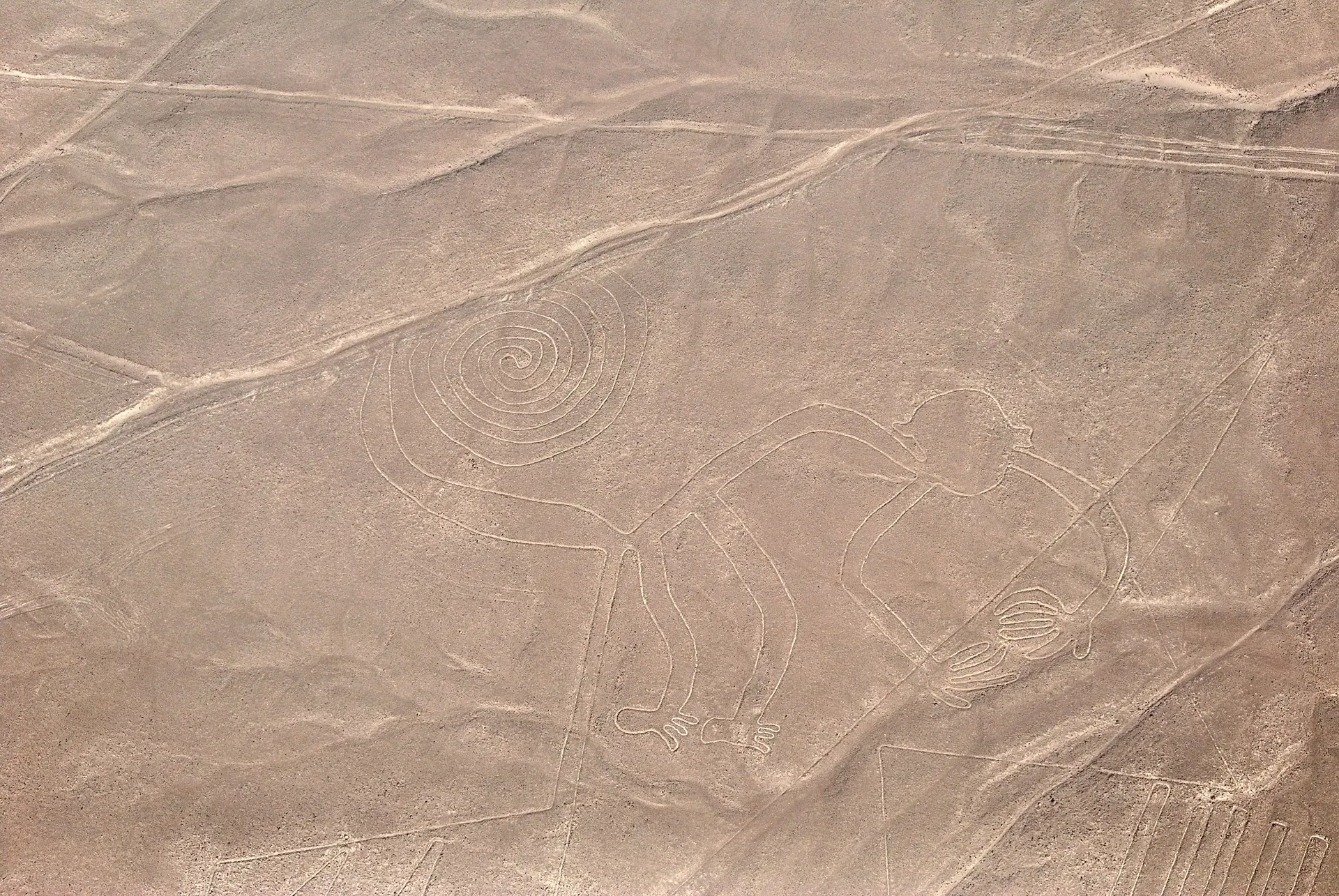
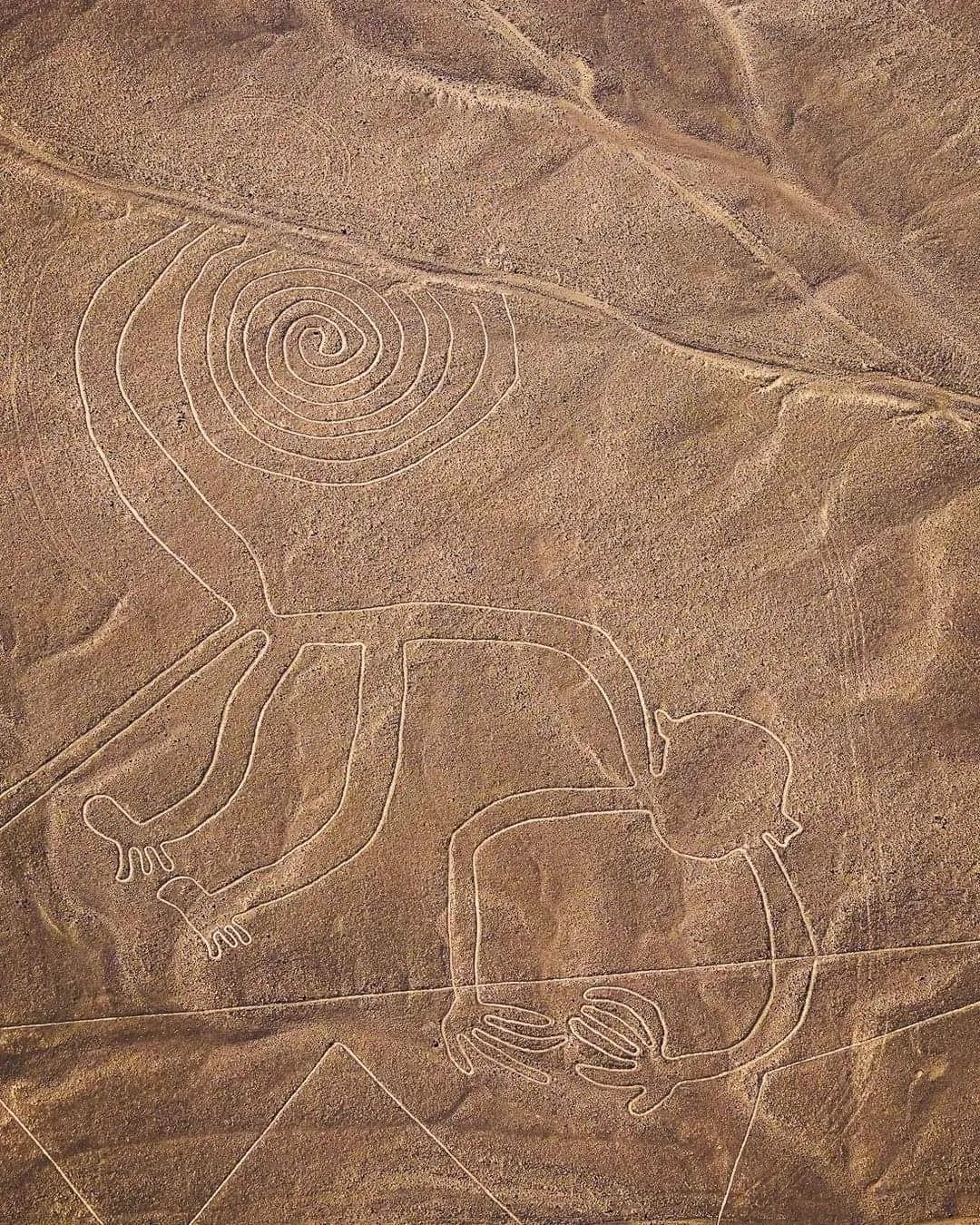
Measuring 277 feet long, this massive desert drawing features a distinct coiled tail and outspread hands. Taking an early morning flight between 7:00 and 9:00 AM provides optimal visibility. The low sun casts sharp shadows across the arid plateau, highlighting the complex geometric precision of this pre-Inca creation.
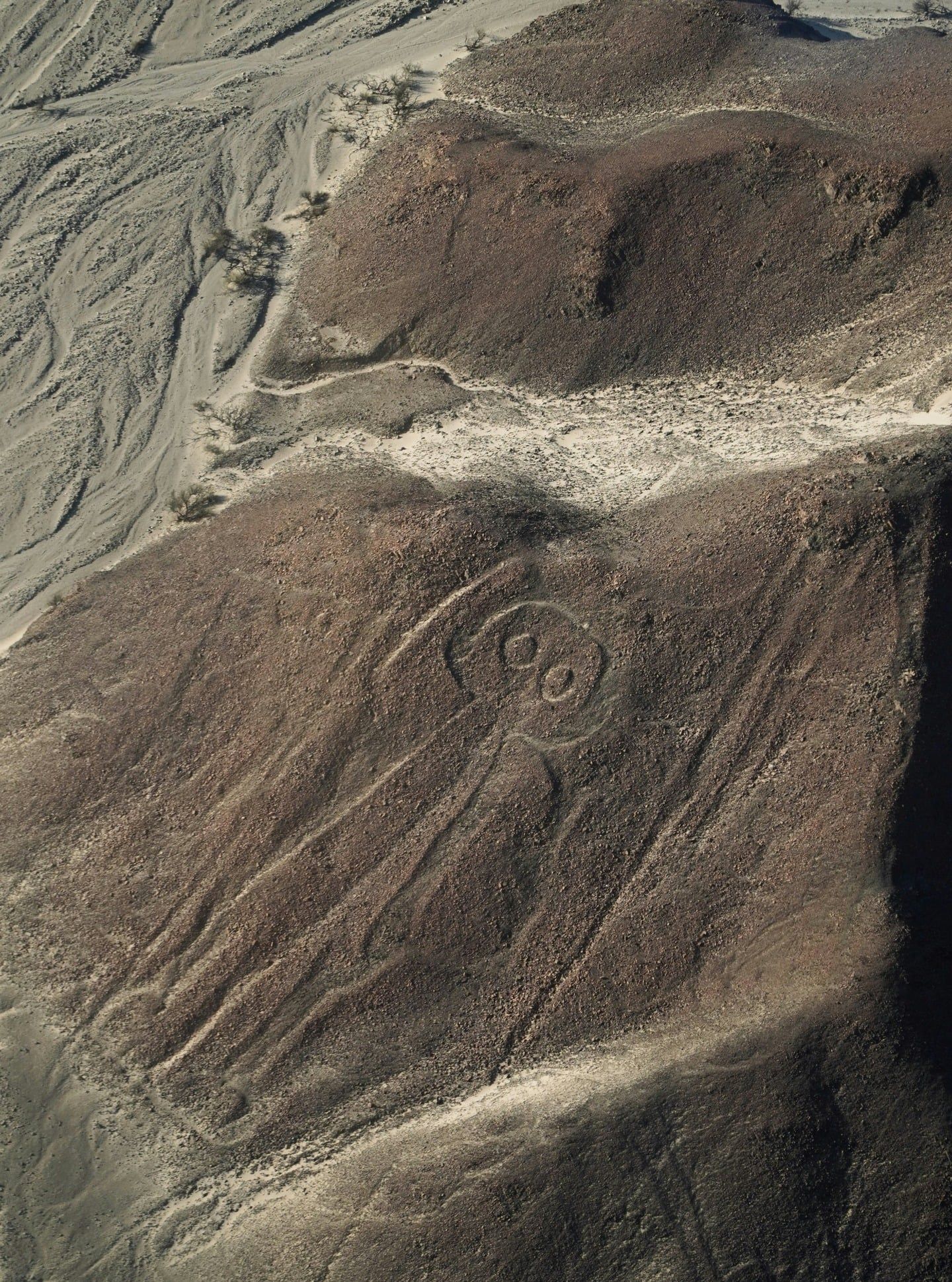
Unlike most designs located on the flat plains, this giant-headed humanoid figure is etched directly into a desert slope. From the air, the character looks remarkably like a space traveler waving at the sky. Pilots bank the small aircraft steeply so passengers get a clear look at this mysterious anomaly.
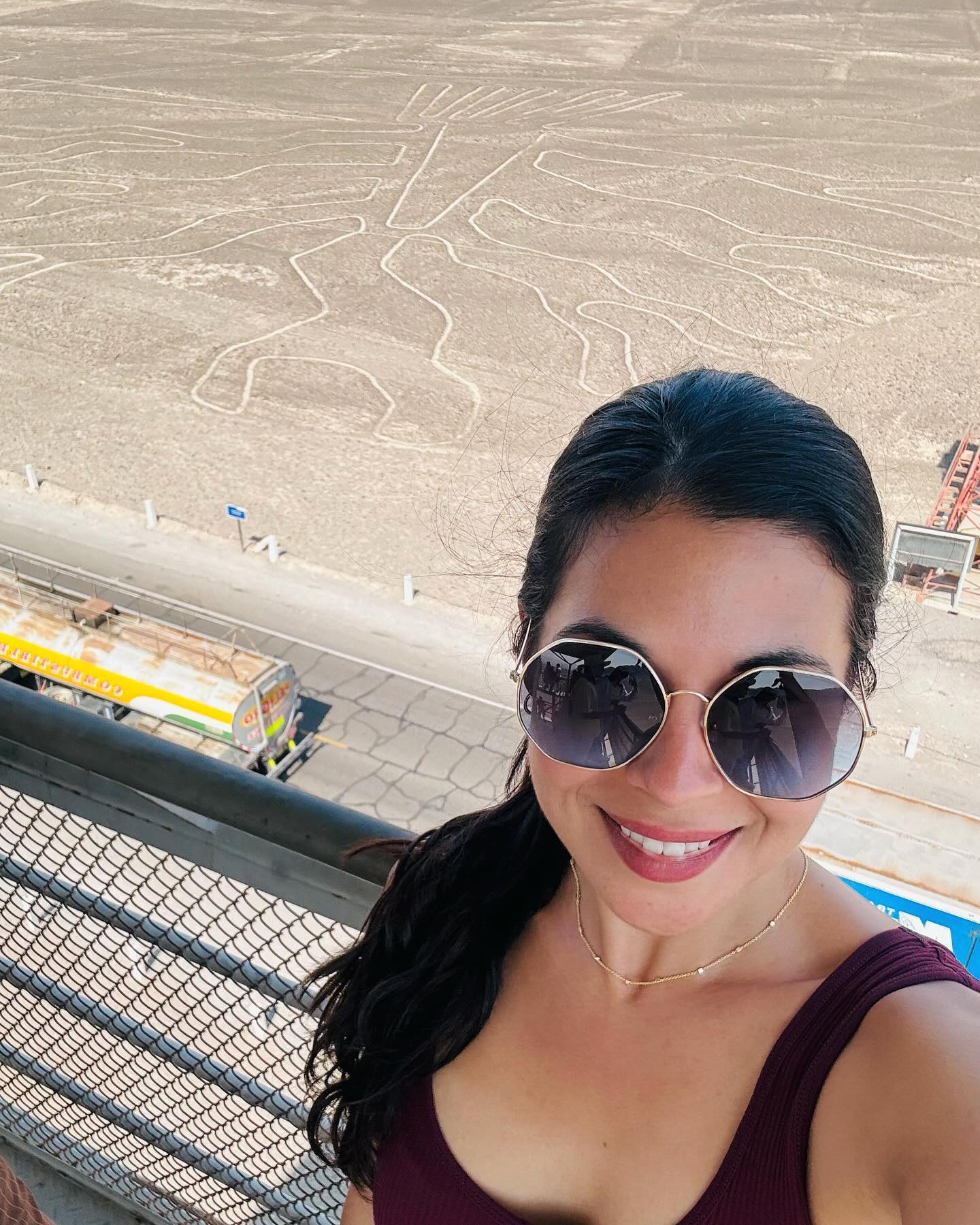
For a ground perspective, scale the 13-meter metal platform located at kilometer 419 of the Panamericana Sur highway. Paying a small cash fee of S/3 to S/7 allows you to look down upon three distinct ancient figures: the Hands, the Tree, and the severed tail of the Lizard.
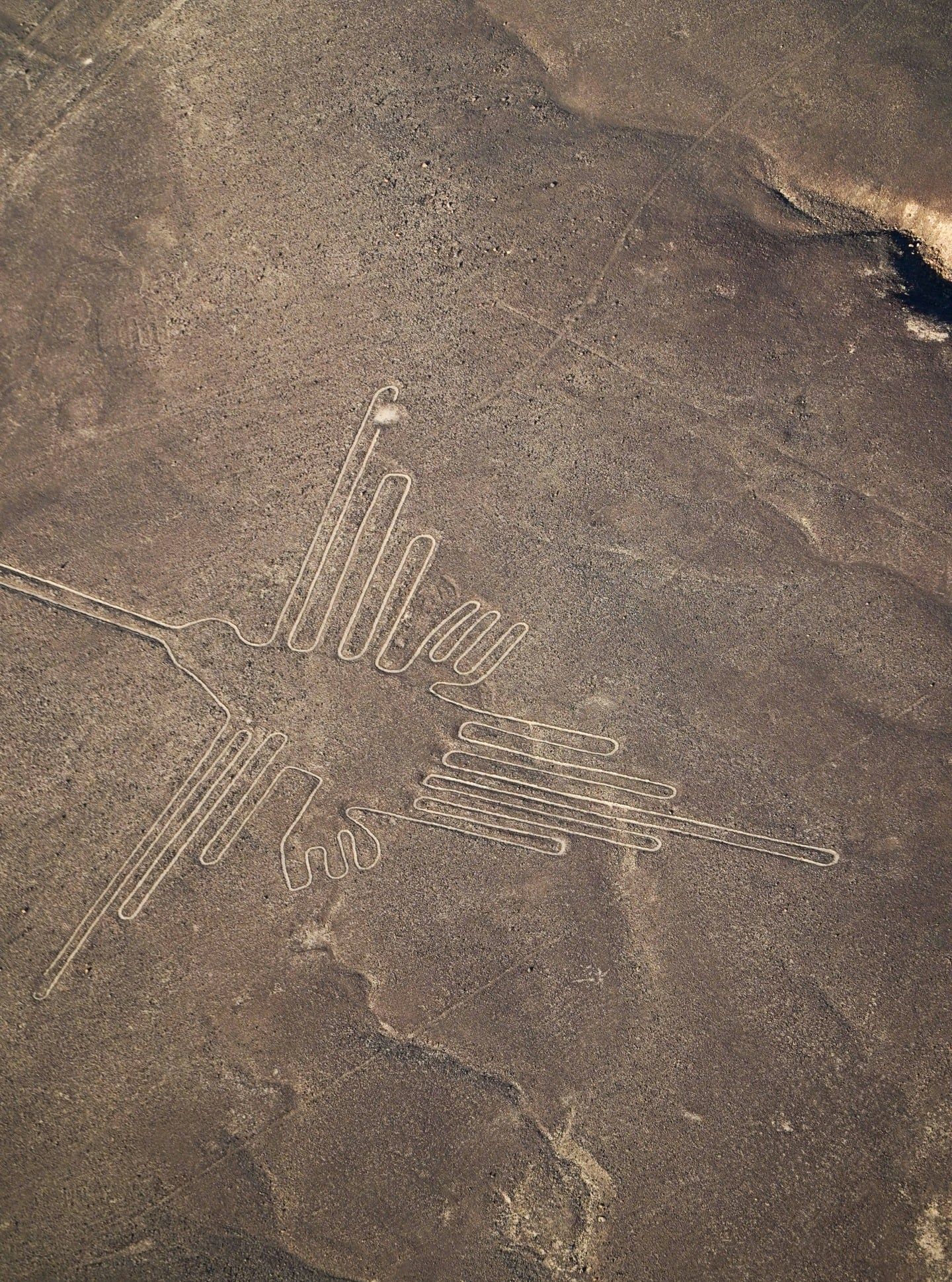
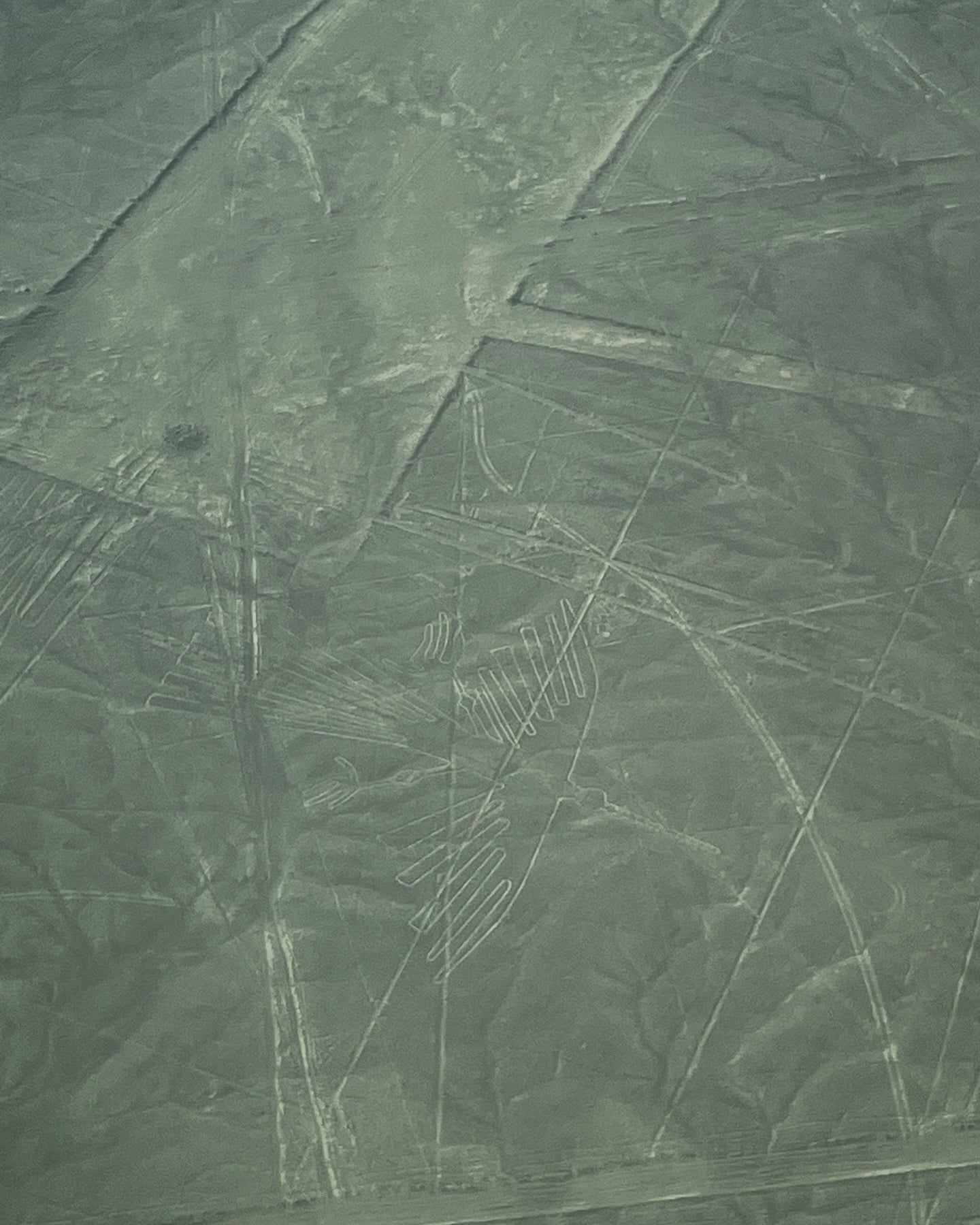
This beautifully preserved 100-meter-long figure features a prominent long beak and outstretched wings. Ancient populations revered this avian design as a flying deity associated with rain. The clean, continuous lines carved into the yellow-gray clay are highly visible from small aircraft circling the 175-square-mile desert plateau.
Hand-picked tours with free cancellation and verified reviews
 Free Cancellation 48h
  Free Cancellation 72h
  Free Cancellation 96h
  Free Cancellation 18h
  Free Cancellation
  Free Cancellation 35min
  Free Cancellation
  11h
11h The optimal time to visit the Nazca Lines is between May and October, when clear skies and calm winds create ideal conditions for scenic flights. Booking early morning departures between 7:00 AM and 9:00 AM ensures the best visibility and minimizes turbulence.
September and October provide excellent visibility and calm winds for aerial tours. November brings warmer temperatures as the region transitions toward the hotter, less favorable summer season.
These are the worst months to visit the geoglyphs. The desert experiences intense heat exceeding 30°C, and occasional haze can significantly reduce flight visibility over the archaeological site.
March continues to bring intense heat and occasional haze. Conditions improve significantly by May, which marks the beginning of the prime viewing season with clearer skies and milder temperatures.
These dry winter months offer the clearest skies and comfortable temperatures for flights departing from Nazca. However, persistent coastal fog can delay flights departing from Pisco or Paracas.
Flight tours over the Nazca Lines generally operate from 7:00 a.m. or 8:00 a.m. through to mid-afternoon. The 13-meter roadside viewing tower (Mirador) does not have official posted hours, though morning visits are highly recommended to avoid desert temperatures that can exceed 30°C.
| Category | Price |
|---|---|
| Roadside Viewing Tower (Mirador) | S/3 to S/7 |
| Standard Flight (departing Nazca) | $85 to $120 USD |
| Standard Flight (departing Pisco or Paracas) | $300 to $380 USD |
| Mandatory Airport Tax | S/30 |
| Tourist Ticket (Boleto Turístico) | S/47 |
All flight passengers must present an original physical passport at check-in; copies and digital versions are strictly prohibited. The S/30 airport tax and S/47 tourist ticket must be paid in cash in Peruvian soles at the airport prior to boarding.
For complete schedules and ticket prices, visit our Hours & Fees page.
Travelers can reach the Nazca Lines by traveling south along the Pan-American Highway from Lima or nearby desert towns. Most visitors arrive by bus or private shuttle to schedule early morning scenic flights.
📍 km 419 of the Panamericana Sur, Nazca, Peru
Taking a bus from Lima to Nazca is a reliable option for navigating the 400-kilometer route along the Pan-American Highway. Overnight buses depart the capital between 9:00 PM and 11:00 PM. They arrive in Nazca early the next morning. This schedule aligns perfectly with early morning flight departures when visibility is highest.
Visitors staying in Huacachina can book a direct private shuttle departing from the Wild Rover Hostel straight to the Nazca airport. The route covers a distance of 150 kilometers across the desert. This convenient transport allows travelers to complete their aerial tour and coordinate onward travel without needing to spend the night in Nazca.
For those who prefer not to travel directly to Nazca city, scenic flights operate directly from Pisco or Paracas. These aerial tours serve as both transport and sightseeing, covering the distance to the 175-square-mile archaeological zone. Passengers should note that coastal fog can sometimes delay departures from these locations during winter months.
For detailed transport options and routes, visit our Directions page.
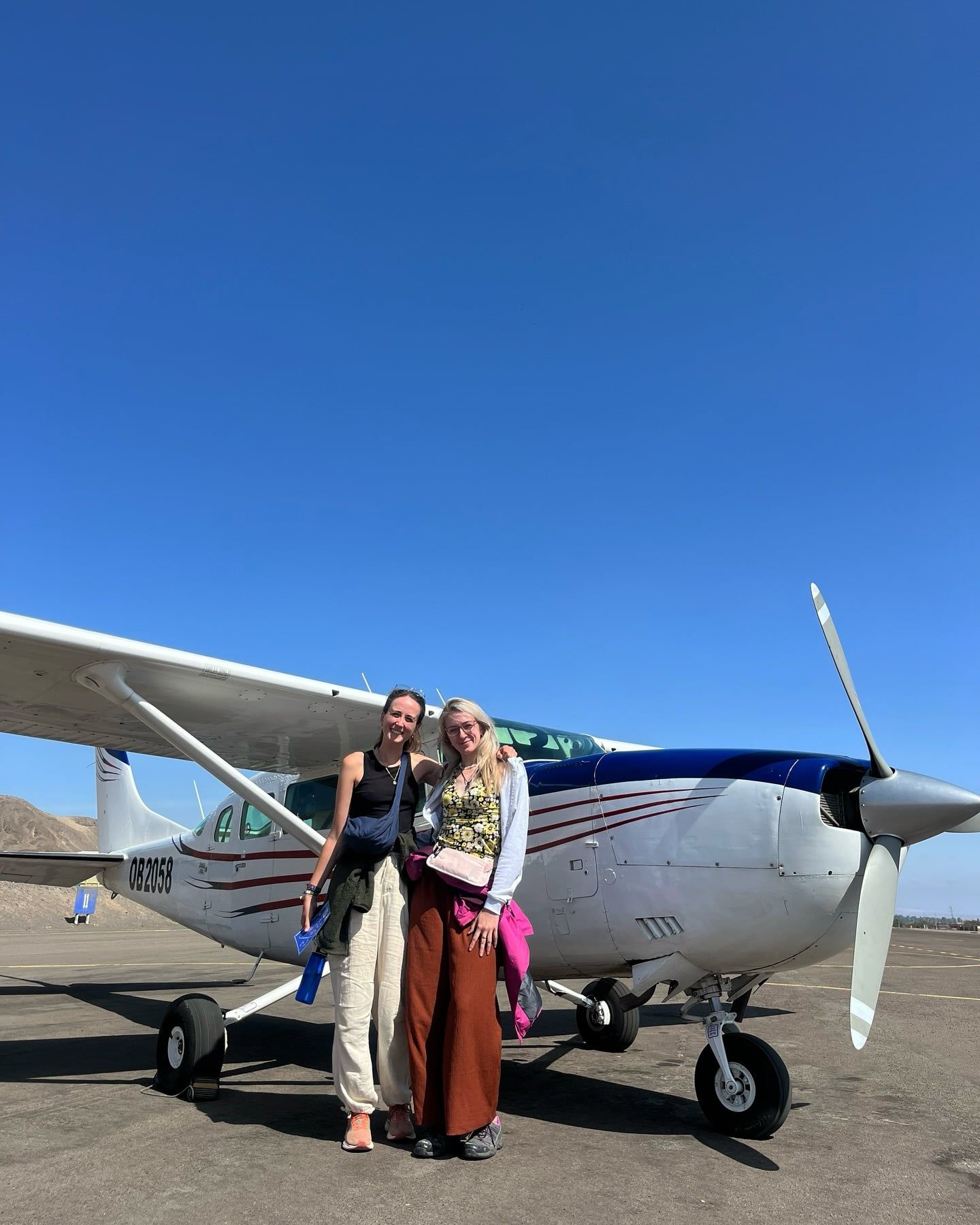
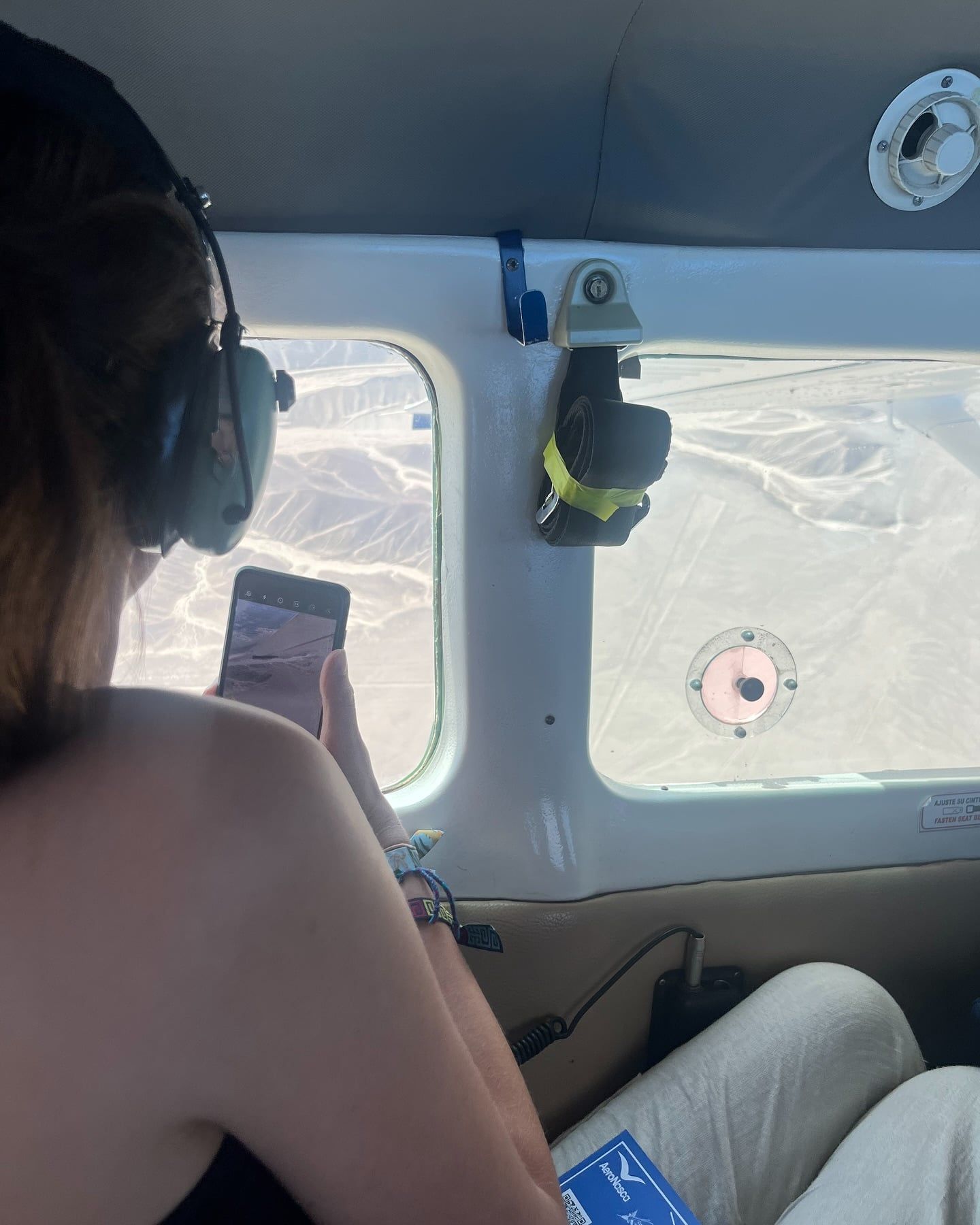
Small aircraft flying over the lines bank steeply to give passengers clear views on both sides. This intense movement and desert turbulence frequently induce nausea. Avoid eating a heavy breakfast before boarding, stay hydrated, and take preventative medication or apply a patch.
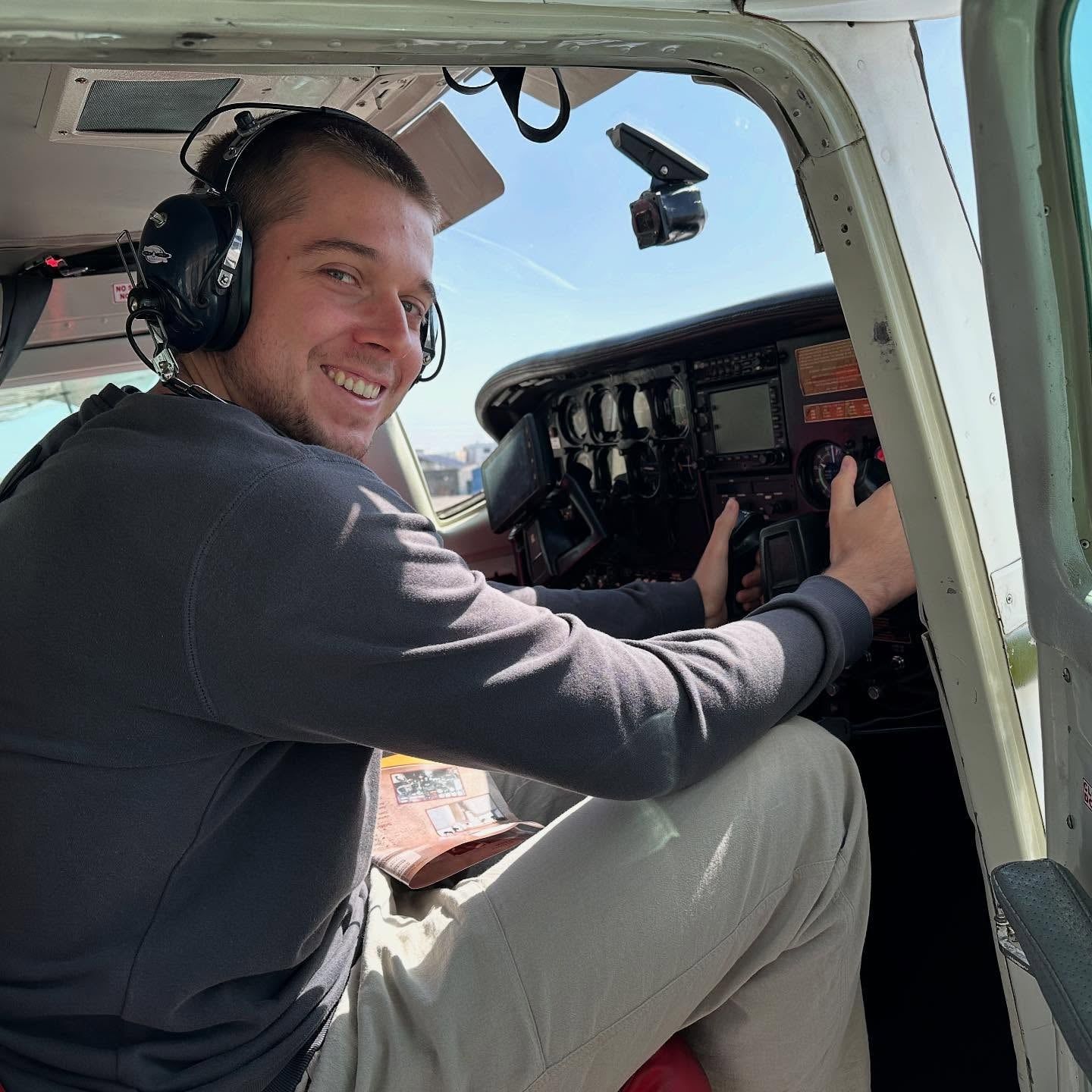
Security officials at the Maria Reiche Neuman Aerodrome strictly require your original physical passport for flight check-in. Digital versions or paper copies are not accepted under any circumstances. You will be denied boarding if you fail to present the physical document.
Even if you pre-paid for your aerial tour with a credit card, you still need Peruvian soles at the airport. Passengers must pay a S/30 airport tax and a S/47 tourist ticket in cash before boarding. Keep small bills handy to ensure a smooth check-in process.
Schedule your aerial tour between 7:00 AM and 9:00 AM for the best conditions. Desert winds are calmer during these early hours, which significantly reduces aircraft turbulence. The lower morning sun angle also casts sharp shadows, making the geoglyphs much clearer for viewing and photography.
Aggressive sellers frequently wait outside the Nazca bus station to target arriving tourists with overpriced, low-quality tours and accommodations. Ignore these individuals completely and pre-arrange your transfers through verified travel agencies. For safe local transport, ask your hotel receptionist to call a licensed taxi.
To capture clear shots during the sharp banking turns, bring a zoom-lens camera or mount an action camera to the plane window. Leave your personal drone at home. Authorities strictly prohibit drone flights over the 175-square-mile archaeological zone to protect the fragile geoglyphs.
This archaeological site contains open-air tombs displaying well-preserved mummies seated in traditional burial poses. Visitors can view original textiles and pottery to understand ancient desert preservation rituals.
These ancient underground aqueducts demonstrate the advanced hydraulic engineering of the Nazca civilization. They still channel water through spiral stone chimneys to sustain agriculture in this extremely dry environment.
Standing 6,820 feet above sea level, Cerro Blanco is one of the highest sand dunes globally. Visitors can complete a challenging three-hour hike to the summit for spectacular sandboarding.
Read what travelers share about their experience visiting Nazca Lines — from practical tips to personal highlights.
A standard 30 to 35-minute flight from Nazca costs between $85 and $120 USD. You must also pay a S/30 airport tax and a S/47 tourist ticket in cash at the airport. Alternatively, the roadside viewing tower charges a small fee of S/3 to S/7.
The best months to visit are between May and October when skies are clear and winds are calm. For the best daily visibility and smoothest conditions, schedule your flight in the early morning between 7:00 AM and 9:00 AM.
You can take an overnight bus from Lima, covering the 400-kilometer distance in about seven and a half hours for $179 to $209 USD. If traveling from Huacachina, a private shuttle takes two and a half hours and costs $16 USD.
You must present an original physical passport at check-in, as copies and digital versions are strictly rejected by security. Bring local currency in Peruvian soles to pay the mandatory airport fees, along with motion sickness medication to handle the sharp banking turns of the aircraft.
The 30-minute scenic flight requires no walking beyond boarding the aircraft, making it highly manageable for elderly visitors. However, manual and power wheelchair users must coordinate boarding support with flight operators directly. The 13-meter roadside viewing tower is not wheelchair accessible due to its steep stairs.
Yes, you can view a few figures from the ground by climbing the 13-meter metal viewing tower located on the Panamericana Sur highway. For an entrance fee of S/3 to S/7, this platform provides an angled perspective of the Hands, the Tree, and the Lizard's tail.
Flights departing directly from the airport in Nazca last 30 to 35 minutes. If you choose to fly out of Pisco or Paracas, the total flight time extends to between 90 and 100 minutes.
Yes, the small aircraft execute sharp banking turns to allow passengers on both sides to see the geoglyphs, which frequently causes severe motion sickness. To prevent nausea, avoid eating a heavy breakfast before your flight and consider taking preventative medication.
Browse verified tours with free cancellation and instant confirmation.
Find Tours