
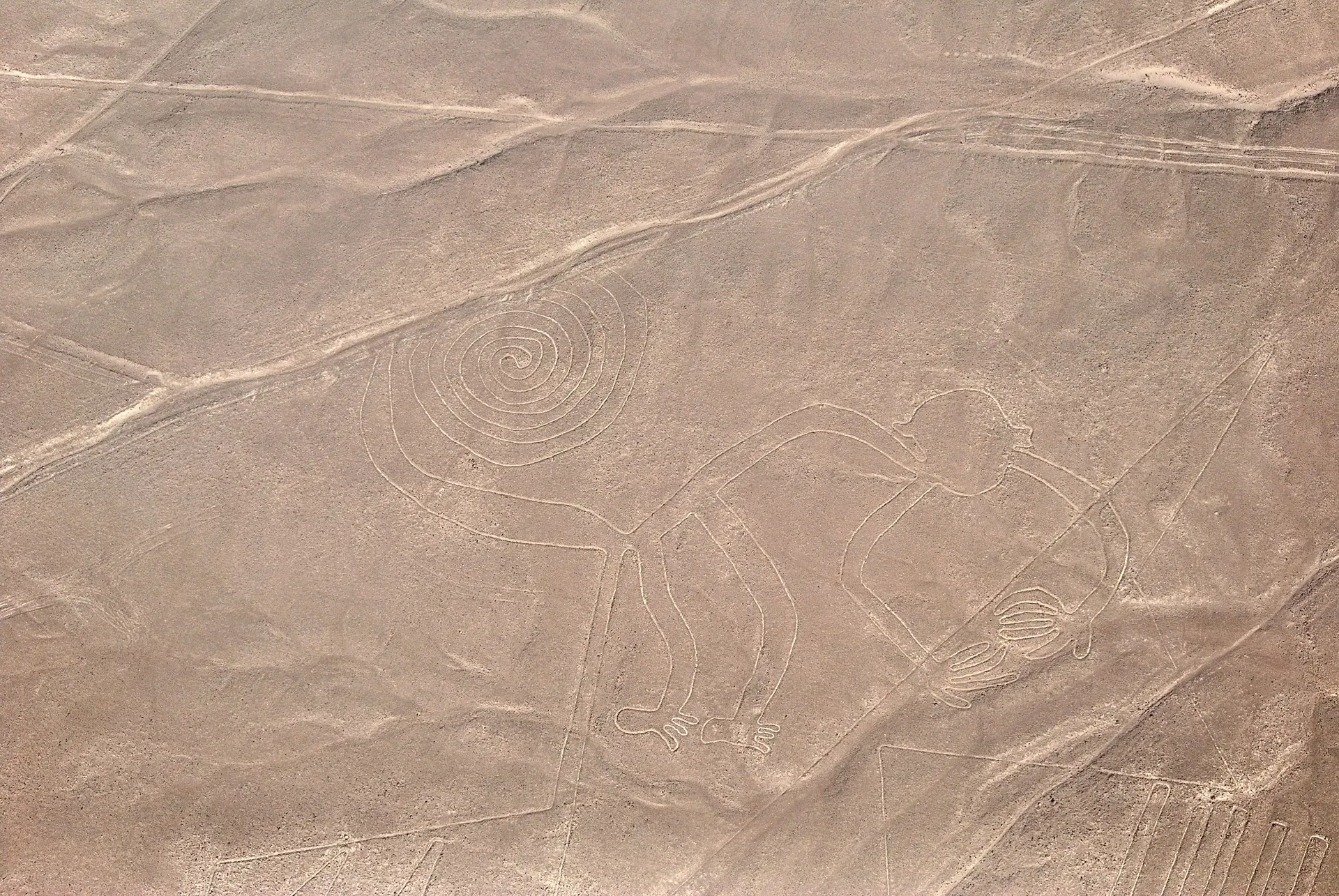
Viewing the Nazca Lines requires booking an $85 to $120 USD scenic flight or paying S/3 to S/7 in cash for roadside tower access. Flights depart from 7:00 a.m. until mid-afternoon, with early morning slots providing the calmest winds and clearest visibility.
Flights over the Nazca Lines operate daily from 7:00 AM until mid-afternoon. Book a morning departure. These early slots provide the calmest winds and clearest visibility across the desert plateau. Ground viewpoints lack official operating hours, though early visits avoid midday temperatures exceeding 30°C.
| Day | Hours | Note |
|---|---|---|
| Monday–Sunday | 07:00–15:00 | Flights run until mid-afternoon; 07:00–09:00 provides the clearest visibility. |
Operations depend entirely on weather conditions rather than official holiday closures. Persistent coastal fog, known as garúa, frequently delays or grounds flights departing from Pisco or Paracas between June and September. Haze and extreme heat from December to March can also disrupt schedules and reduce aerial visibility.
Standard 30-minute flights over the Nazca Lines cost between $85 and $120 USD. Passengers must also pay a mandatory S/30 airport tax and a S/47 tourist ticket in cash before boarding. Ground viewing from the 13-meter roadside tower requires a token fee of S/3 to S/7.
| Category | Price | Note |
|---|---|---|
| Standard Flight (from Nazca) | $85 - $120 USD | 30 to 35-minute duration |
| Extended Flight (from Pisco or Paracas) | $300 - $380 USD | 90 to 100-minute duration; higher local taxes apply |
| Tourist Ticket (Boleto Turístico) | S/47 | Mandatory for all flights; cash only at airport |
| Local Airport Tax | S/30 | Mandatory for all flights; cash only at airport |
| Roadside Viewing Tower (Mirador) | S/3 - S/7 | Cash only at the entry gate |
No regular free entry days.
Planning your visit to Nazca Lines? Find tours with free cancellation and skip-the-line options.
View All ToursMay through October offers the clearest skies and calmest winds for flying over the Nazca Desert. Early morning flights between 7:00 AM and 9:00 AM provide the sharpest visibility, as the low sun angle casts distinct shadows across the geoglyphs. The airfield sees its highest passenger volumes during these peak morning hours, while afternoons bring intense heat, haze, and thinner crowds.
| Period | Crowd Level | Recommendation |
|---|---|---|
| Early morning (07:00–09:00) | High | Calm winds and a low sun angle create the sharpest shadows for photographing the geoglyphs. |
| Mid-morning (09:00–11:00) | High | Flights remain steady, but rising temperatures begin increasing desert turbulence and the risk of motion sickness. |
| Midday (11:00–14:00) | Moderate | Temperatures exceed 30°C, making roadside viewing tower climbs physically demanding and flights significantly bumpier. |
| Mid-afternoon (14:00–16:00) | Low | Haze frequently reduces aerial visibility, and coastal fog can ground aircraft departing from Pisco or Paracas. |
A standard flight over the Nazca Lines takes 30 to 35 minutes. Total time commitment depends heavily on your departure airport and whether you add ground excursions. Flights originating in Pisco last up to 100 minutes, while combining a local flight with a land tour of nearby archaeological sites requires a half-day commitment of three to four hours.
Schedule flights between 7:00 AM and 9:00 AM to catch the calmest desert air and clearest visibility. The low morning sun casts sharp shadows across the geoglyphs, making the ancient lines much easier to spot from the air. Persistent coastal fog from June to September often delays flights departing later from Pisco or Paracas.
Skip heavy breakfasts before boarding the small aircraft. Pilots bank the planes steeply to both sides so passengers can view the 70 animal and plant figures, frequently causing intense nausea. Drink water and take a motion sickness pill or apply a patch before arriving at the airfield.
Pack your original physical passport for check-in at the Maria Reiche Neuman Aerodrome. Security officials reject digital copies and will deny boarding. Carry extra Peruvian soles to pay the mandatory S/30 airport tax and S/47 tourist ticket in cash at the counter.
Walk past the aggressive sellers crowding the Nazca bus station exits. They push overpriced tours and low-quality hotels onto arriving travelers. Pre-arrange your transfers through verified agencies and ask your hotel receptionist to call licensed taxis for local travel.
Wear light clothing and closed-toe shoes for climbing the 13-meter roadside viewing tower or walking the airfield. Bring a zoom-lens camera or mount an action camera to the plane window to capture clear shots during sharp turns. Leave personal drones at home, as flying them over the archaeological zone carries severe federal penalties.
Standard 30 to 35-minute flights departing from Nazca cost between $85 and $120 USD. You must also pay a S/30 airport tax and a S/47 tourist ticket in cash at the airport. Flights from Pisco or Paracas jump to $300 to $380 USD plus higher local taxes.
Flights operate from 7:00 a.m. through mid-afternoon. Book an early morning slot between 7:00 AM and 9:00 AM. Desert winds are calmest during these hours, reducing turbulence and keeping visibility sharp for photography.
A 13-meter metal viewing tower on the Panamericana Sur highway costs S/3 to S/7 per person. Climbing the steps gives you an angled look at the Hands, the Tree, and the severed tail of the Lizard. Expect to spend 15 to 30 minutes on the high platform.
Security officials strictly require an original physical passport for check-in at the Maria Reiche Neuman Aerodrome. Digital versions or paper copies will get you denied boarding. Carry extra Peruvian soles in cash to cover the mandatory local taxes, and leave heavy luggage behind due to weight limits.
Expect 30 to 35 minutes in the air for flights leaving directly from Nazca. Pisco departures keep you airborne for 90 to 100 minutes. Adding a ground tour of nearby archaeological sites requires another 2 to 3 hours.
Small planes bank steeply to both sides to give passengers clear views of the figures, frequently causing severe nausea. This intense movement combines with desert turbulence. Take a motion sickness pill, stay hydrated, and skip heavy breakfasts before boarding.
Coastal fog known as garúa regularly delays or grounds flights departing from Pisco or Paracas between June and September. December through March brings intense heat exceeding 30°C and haze that cuts visibility. Schedule early morning flights to minimize weather disruptions.
Browse verified tours with free cancellation and instant confirmation.
Find Tours